What is a System Boiler and How Does it Work?
In this article, we answer all your questions about system boilers along with their pros and cons.
What is a system boiler?
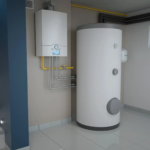
A system boiler directly heats your radiators (central heating) and produces hot water for an unvented storage cylinder. They work much like a regular (conventional) boiler, in that they need to store hot water, but differ in the way they take in their water supply.
- More compact than a regular boiler
- Directly heats radiators & water
- Requires an unvented storage cylinder

How does a system boiler work?
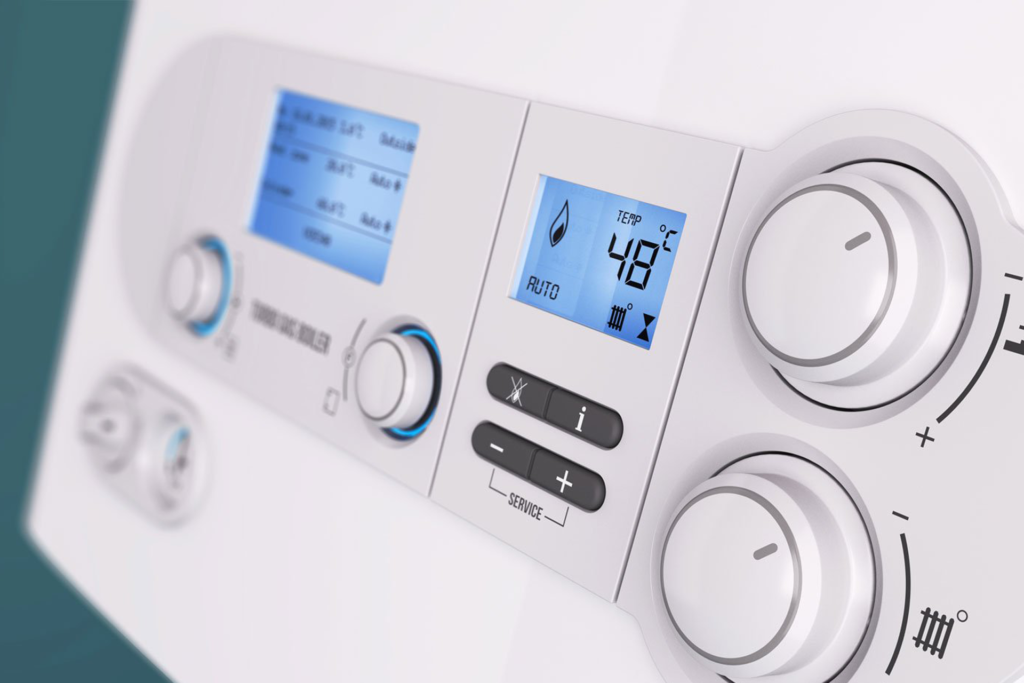
The majority of the components required for generating heating and hot water are built into a system boiler. The only external part required is an unvented cylinder that stores the hot water.
By taking their water supply directly from the mains, system boilers eliminate the need for a tank of water in the loft (which would be needed with a regular boiler). They then heat the water to warm up the central heating as well as hot water for the cylinder.
These boilers are more compact than a regular boiler, but still able to deliver a high volume of domestic hot water.

Is a system boiler right for you?
If you live in a small home or flat, it's unlikely that you'll have room for a cylinder, which would make a combi boiler more suitable. Smaller properties are also unlikely to need a system boiler as the hot water demands will be lower.
By taking on the best bits of combi and regular boilers, it's no surprise that installing a system boiler comes with a number of benefits:
Advantages of system boilers
-
Easier installation:
Installation of a system boiler can be easier, quicker and neater than that of a regular boiler. This is due to many of the individual components of the heating and hot water system being built into a system boiler. -
Great for high hot water demand:
The storage of hot water in a cylinder means you can use multiple taps simultaneously without a reduction in pressure. This makes it ideal for busy or large households with more than one bathroom. -
Fast and economical:
System boilers include a pump, which means it responds quickly and has more economic running costs. -
Compatible with solar thermal:
If generating hot water with solar is high on your agenda then a system boiler is worth considering. The unvented hot water storage cylinder can be altered to heat water using solar power.
Disadvantages of system boilers
-
System boilers take up more space:
Although there is no need for a cold water feed tank, system boilers actually take up more space than combi boilers. This is due to the need for a hot water storage cylinder. -
Hot water cylinder size:
The amount of hot water you can use will be dictated by the size of your cylinder. Once the cylinder is empty, you will need to wait for more water to be heated. On average, this process can take between 20 and 30 minutes depending on the model. -
Hot water isn't instant:
As the hot water is stored in a storage cylinder that can only hold so much water, it can run out when lots of hot water is used. The system boiler will then have to heat more water and fill the cylinder before your home has hot water again.
What size system boiler do you need?
The size of the system boiler is one of the most important factors to consider. By size, we don't mean the physical dimensions of the boiler, we mean the power the unit is able to put out. This is known as the output rating and is measured in kilowatts (kW).
The higher the output rating, the more powerful the boiler. Having said this, it isn't a good idea to simply install the system boiler with the highest output rating. An output rating that's too high for your home could cause your energy bills to rise and if it's too low, it will struggle to meet demand.
You can work out the most suitable output rating for your home by counting up the number of radiators and bathrooms. Using this information, you can get an idea of the level of demand for central heating and domestic hot water.
The recommended output ratings in the table below are intended as a guide. To get a more accurate idea, you should get a quote from a Gas Safe registered engineer. Many manufacturers also list advice on their own websites, so if you have a brand in mind you should also check their guidance.
| Bathrooms | Radiators | Output (kW) |
|---|---|---|
| 1 | 10 | 9-15kW |
| 2-3 | 15 | 18-26kW |
| 3+ | 20 | 27-40kW |
If you live in a smaller property with one bathroom and little space to spare for a cylinder, a combi boiler would be a more suitable heating system.
In addition to the size of the system boiler, the cylinder will need to have sufficient capacity to meet the hot water demands of your home.