What is a Combi Boiler and How Does it Work?
In this article, we will take you through how a combi boiler is different from other boiler types; why they're so popular and why you might consider installing one.
What is a combi boiler?
- Heats the boiler & radiators
- Great for small/medium-sized homes
- perfect for those with less space

What type of heating is a combi boiler?
A combi boiler can provide both hot water and central heating from the same unit. So you can easily heat the water for your taps and power your radiators from the same source.
A combi is usually a wall-mounted unit that takes up very little space in your home and they are very efficient boilers thanks to inbuilt condensing technology. This ensures that any heat that would usually be lost out of the flue pipe is recycled back into the system, keeping energy usage (and your bills) down and helping the environment.
A combi boiler will last you between 10 – 15 years and many of the big manufacturers offer fantastic warranty lengths on their combis, which is a great indicator of just how reliable these boilers are.

How does a combination boiler work?
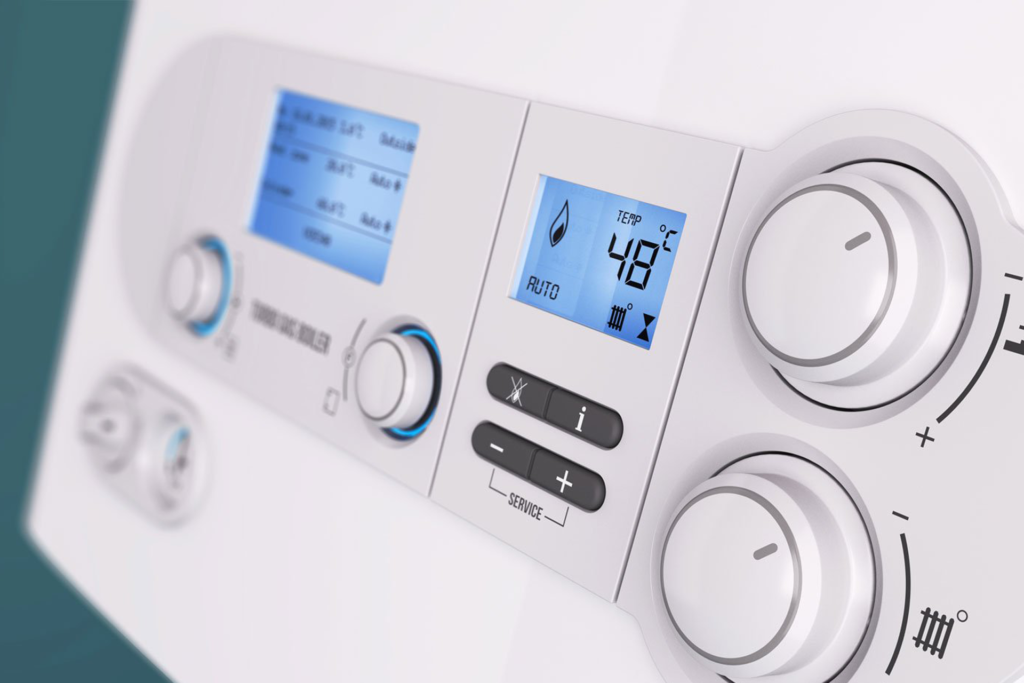
The inner workings of the combi boiler are quite complex, but inside this simple-looking unit is a very efficient and powerful system. Whenever you turn on a tap or switch on the heating, your boiler fires into action to start the process of heating your water.
Whichever fuel the combi is using, once it is ignited (by either turning on a heating control or starting the hot water tap), this fuel will produce flames inside the boiler which produce heat. That heat is absorbed by parts known as heat exchangers.
As the boiler takes in water from the main water supply, it sends water through a series of pipes inside the heat exchangers. These heat exchangers are then warmed up by the flames and as the water travels through these hot pipes, the water temperature rises.
From there the hot water travels to a diverter to be sent either to the pipes for your taps or out into the radiators. Once the water has circulated through the radiators it is then sent back around the circuit to be reheated and used again.
Different types of combination boiler
Gas combi boiler
Gas fuelled combi boilers run on natural gas that is sent to homes via the national gas grid network. This is the most commonly used boiler fuel, as most homes in the UK are connected to the grid and this is the easiest and quickest fuelling option.
Although natural gas is produced from fossil fuels, and these are known to be damaging to our environment, it is still considered to be the cleanest and cheapest fossil fuel that we can use; especially when compared to oil and coal.
Oil combi boiler
For those homes that are not connected to the gas grid, oil is considered to be a cost-effective alternative. It's not usually recommended if you can access gas however, as there are many more difficulties with oil.
As a fuel supply, oil must be stored in an external tank which you will need to store on your property. This could mean losing space in your garden or needing to pay for the large tank to be sunk into the ground. You also need to plan ahead and order refills to ensure your supply doesn't run low, otherwise you could be stuck with no hot water.
LPG combi boiler
Electric combi boiler
Advantages of a combi boiler
Combi boilers have a range of benefits and for many homes, they are the perfect solution.
Some of the advantages of a combi boiler are as follows:
- Highly efficient
- Money-saving, with lower energy bills
- Reasonably small in size
- Hot water on demand
- Heating on demand
- No need for a separate water tank
- Works with most thermostat controllers
- Small in size / long lifespan